Focused on safe schools, parent involvement, and preparing students for both college and careers
I’m focused on creating a safe learning environment for all students, increasing parent involvement, and prioritizing reading, writing, and math, with a strong emphasis on career and college readiness. I want to reduce outside distractions and support positive behavior district-wide.
Donate TodayPromoting a Safe Learning Environment
A safe learning environment means both physical and emotional safety. Physically, it’s well-maintained campuses, clear safety protocols, and staff trained for emergencies. Emotionally, it’s about fostering respect, inclusivity, mental health support, and ensuring students feel they belong, so they can truly focus on learning and growing.
Encouraging Parent Involvement
When parents are involved, students tend to do better—they’re more motivated, attendance improves, and academic performance often rises. Schools also benefit from stronger communication, and communities get stronger when families and schools partner up. Plus, kids see education as a shared priority—and that’s powerful.
Getting back to basics: Reading, Writing, and Math
Reading, writing, and math are often called the basics because they’re foundational skills for everything else. Reading lets you understand information, writing lets you communicate ideas, and math is essential for problem-solving and logic. These skills unlock other subjects and prepare students for life—whether in further education, careers, or just daily challenges.
Advancing Career Readiness
Career readiness gives students practical skills they can apply directly in the workforce. It boosts confidence, helps students transition smoothly from school to jobs, and aligns education with real-world needs. In the long run, it can lead to more fulfilling careers, higher employability, and better economic outcomes—not just for individuals, but for communities too.
Advancing College Readiness
College readiness in the context of dual enrollment is a big advantage because students get to experience college-level courses while still in high school. It helps them build academic habits, earn college credits early (often saving time and money), and increase their confidence for future college work. In short, it gives them a head start on their educational journey.
Keeping Classrooms Focused on Learning
For high school students, common outside distractions can include smartphones and social media, which pull their attention away. Part-time jobs or family responsibilities can weigh on them. Even broader societal issues, like peer pressure or financial worries at home, can distract. In short, anything that pulls focus away from learning is a distraction.With an emphasis on cell phones in the classroom in the coming future.
Recognizing Positive Student Behavior
Some of the most effective supportive positive behaviors include recognizing effort and improvement, not just outcomes. Schools can set up peer mentoring so students support each other. Clear, consistent expectations with positive reinforcement—like praise or small incentives—go a long way. Teaching emotional regulation and conflict resolution is key. Ultimately, building a culture of respect, responsibility, and belonging encourages students to engage positively.
Proudly Endorsed by…
Proudly endorsed by numerous local business owners, community members, and Area 4 voters who have publicly shown their support.
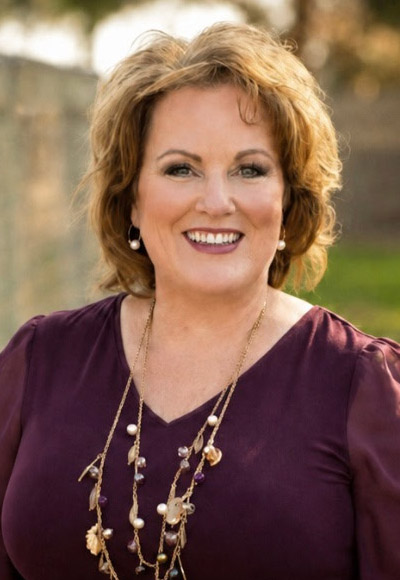 Shannon Grove
California State Senator
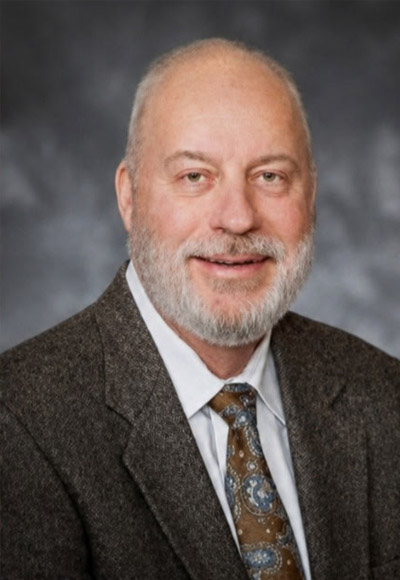 David Couch
Kern County Supervisor
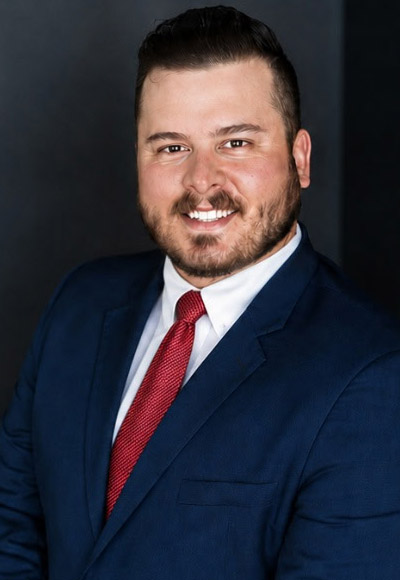 Phillip Peters
Kern County Supervisor
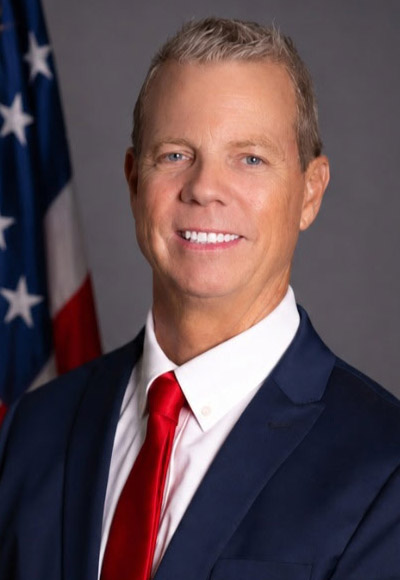 Chris Parlier
Kern County Supervisor
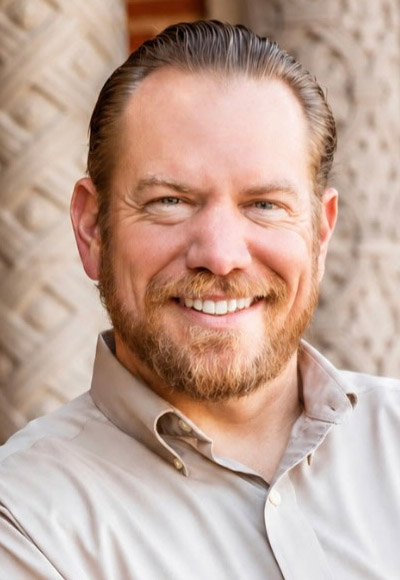 Nathan Magsig
Fresno County Supervisor
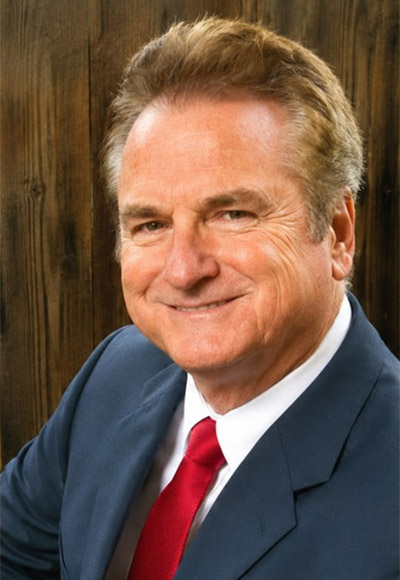 Larry Koman
Bakersfield City Councilmember
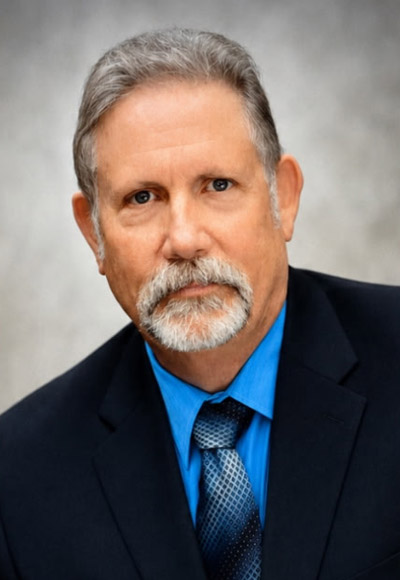 Derek Tisinger
KHSD Trustee
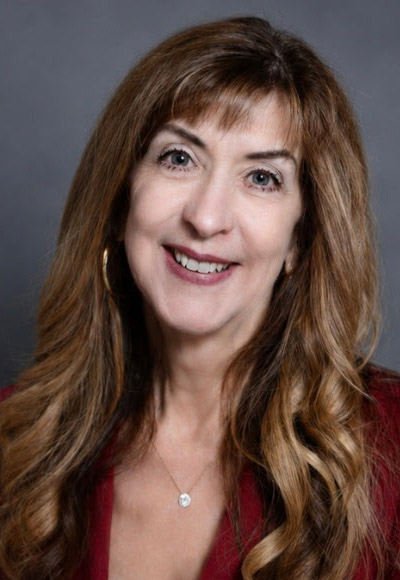 Mary Little
Kern County Board of Education Trustee
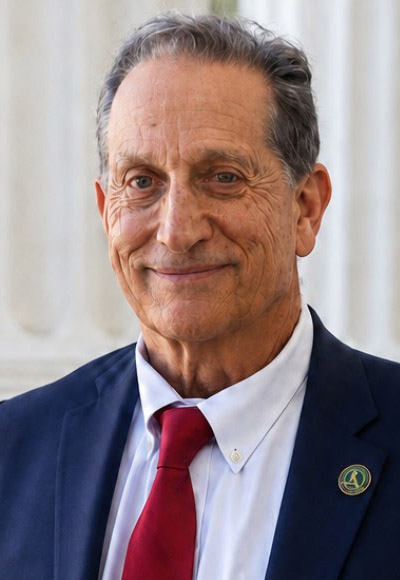 Stan Ellis
California State Assemblyman
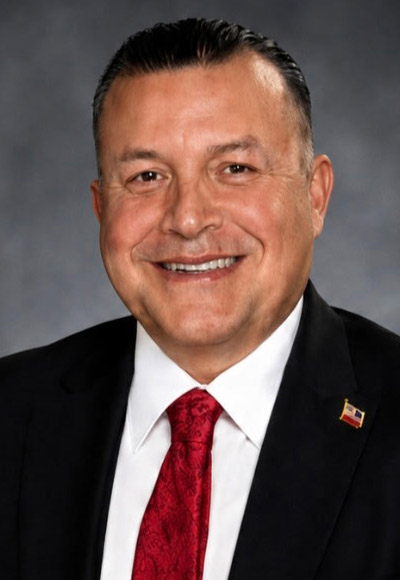 Saul Ayon
Mayor of Mcfarland
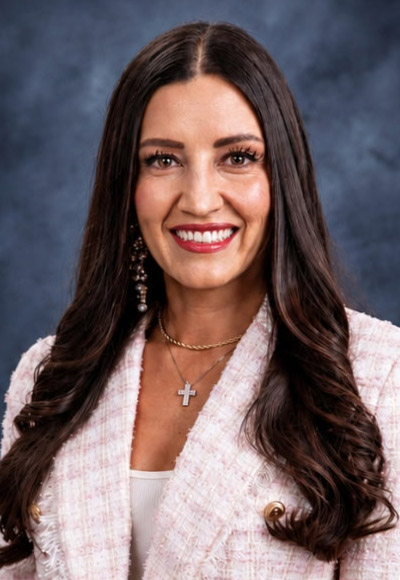 Sonia Shaw
President, Chino Valley Unified School District Board of Education
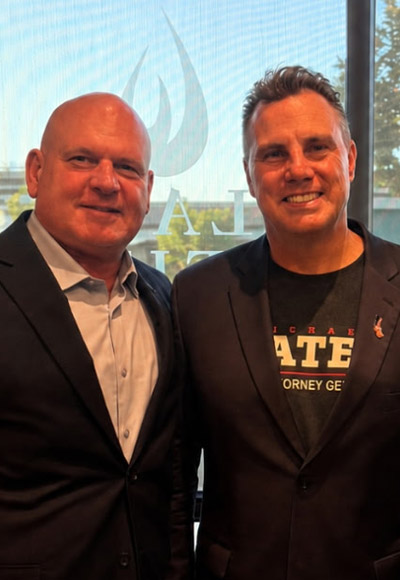 Michael E. Gates
Candidate for California Attorney General
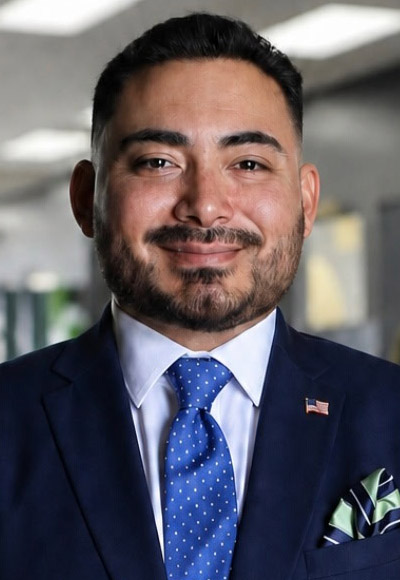 Guillermo Gonzalez
State Senate Candidate District 16
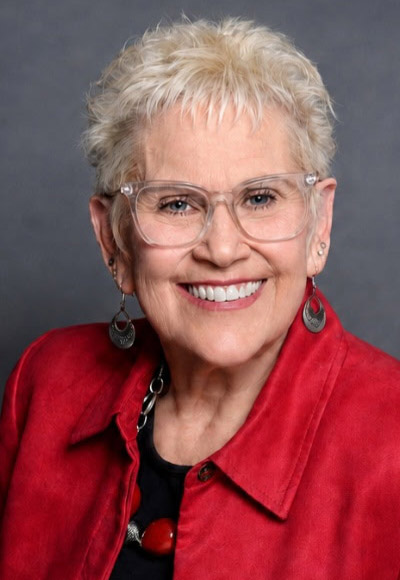 Lori Eskew
Lori Eskew Kern County Board of Education Trustee
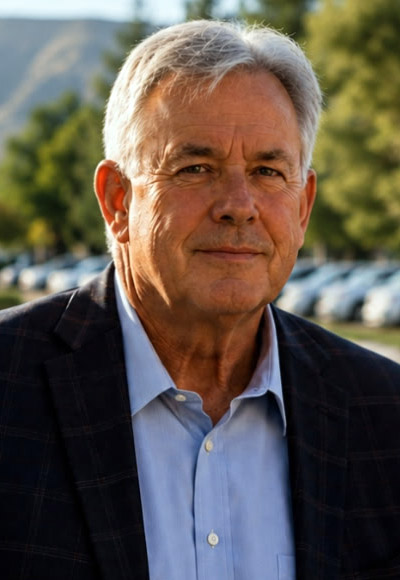 Captain Cameron Paulden
Retired Bakersfield Fire Department
 Bernard G. LeBeau
Managing Partner, LeBeau Thelen Attorneys at Law
 Greater Bakersfield Republican Assembly
 Revere Resource Group
 IBEW Local 428
 Building & Construction Trades Council
Kern, Inyo & Mono Counties